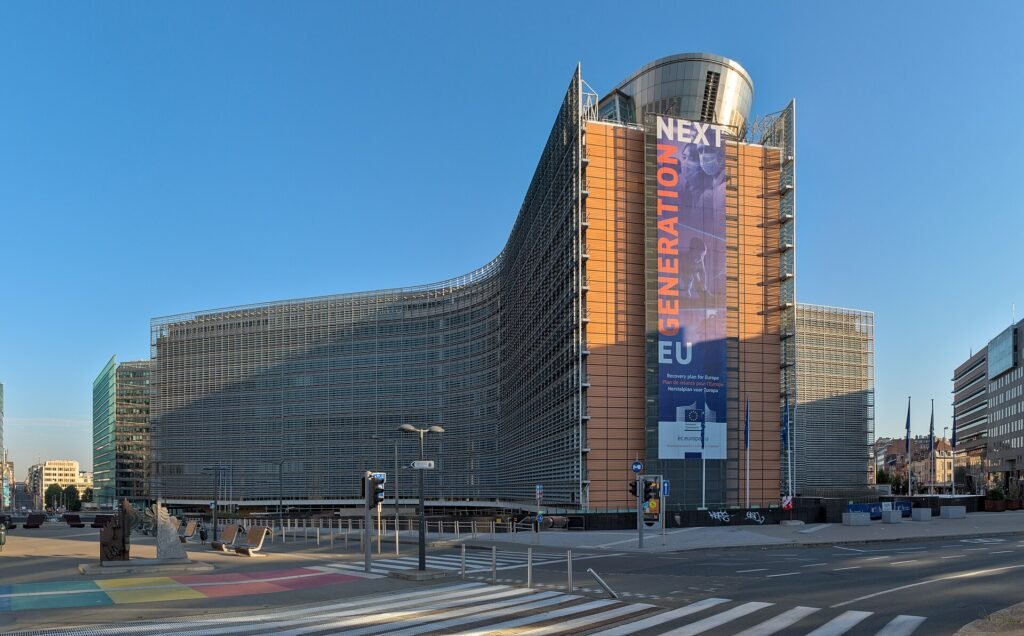
It is not a retreat from the Paris Agreement, Brussels insists, but an exercise in clear-sightedness. On Tuesday 27 October, the European Commission presented a new climate resilience framework that asks member states to prepare for a world significantly warmer than today.
A common trajectory: 1.5, 2, then 3°C
At the heart of the package is a proposal for a European climate resilience law. It sets a common reference trajectory for assessing risks: +1.5°C above pre-industrial levels by 2030, +2°C by 2050 and +3°C by 2100. This is not a new climate target: the Paris Agreement, which aims to keep warming well below 2°C, remains the compass. The idea is to anticipate the plausible worst case rather than suffer it.
In practice, each member state will have to draw up a national strategic climate resilience plan and designate a responsible authority for each major risk. Executive Vice-President Teresa Ribera nevertheless stressed that the best adaptation is still to tackle the causes of climate change.
Heatwaves, water, insurance
The Commission is also announcing a European heat action plan to protect public health, a water initiative (droughts, floods, reuse) and an alliance on climate insurance. Three digital tools are meant to help local authorities, including a European map of future climate hazards.
The cost of inaction
The figures are staggering. According to the Commission, climate extremes caused around €200 billion in economic damage between 2022 and 2025, an average of €50 billion a year. Europe would need around €70 billion of investment in adaptation each year, but every euro invested in prevention could save more than ten in avoided damage. The European Investment Bank plans to devote at least €30 billion to it between 2026 and 2030.
A very Belgian echo
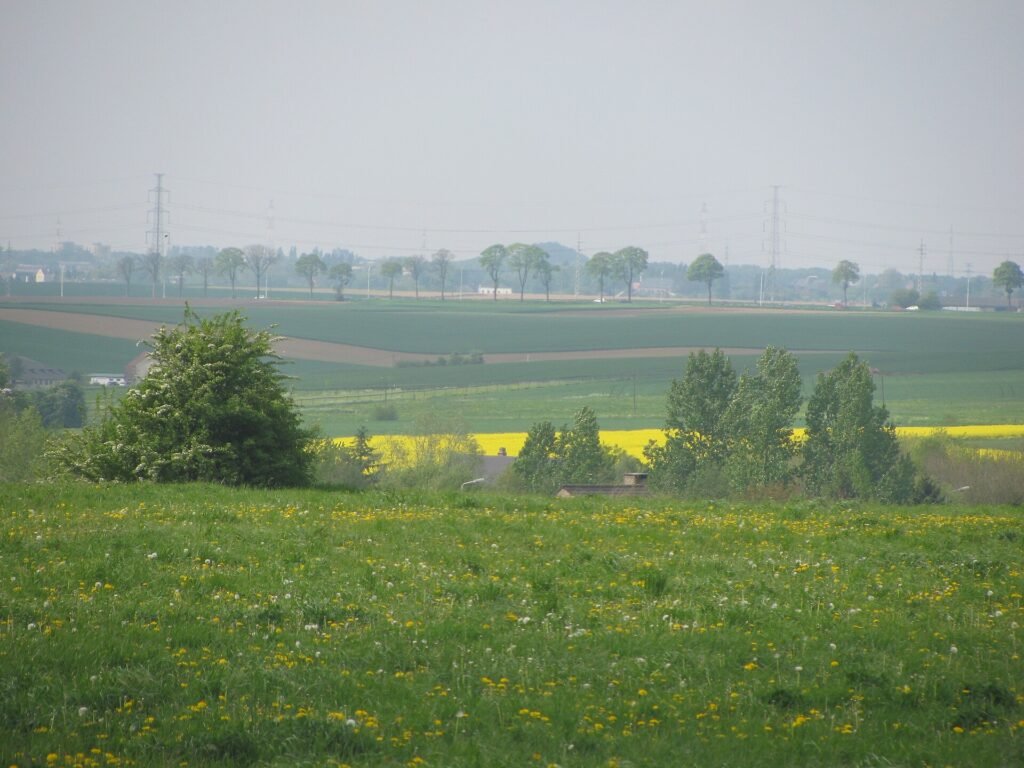
In Belgium, the lesson of the July 2021 floods in the Vesdre valley and elsewhere in Wallonia is still fresh in everyone’s mind. Mapping flood zones, adapting buildings to heat, early warning systems: these are precisely the projects Brussels wants to roll out everywhere.
The approach follows the line of the European Scientific Advisory Board on Climate Change, which in February called for public policies to be stress-tested against warming of 2.8 to 3.3°C. The text must now be negotiated by the European Parliament and the member states, just days before COP31 opens on 9 November in Antalya, Turkey.
Sources : EU Reporter, Infomédiaire, CTIF
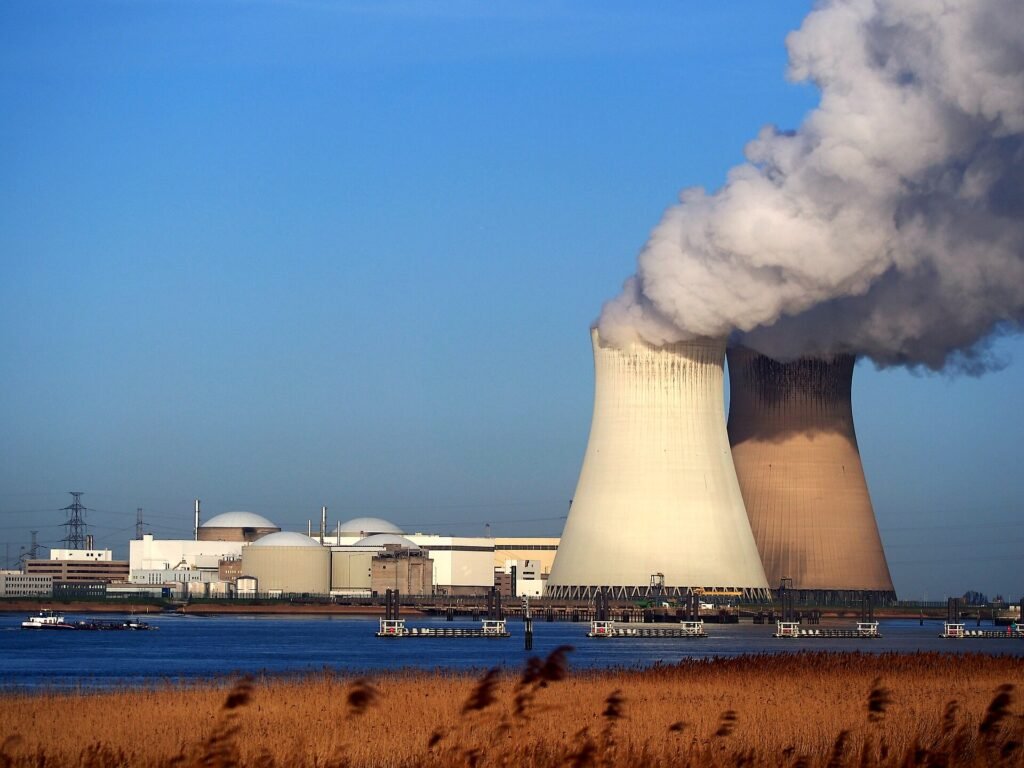
Photo: Trougnouf (Benoit Brummer) / CC BY 4.0, via Wikimedia Commons