An agreement, but not yet the figure that matters. On Monday 26 October, after a long day of negotiations in Luxembourg, EU agriculture ministers unanimously adopted a “partial general approach” on the rules of the future common agricultural policy (CAP), which will apply from 2028 to 2034.
More flexibility for member states
The compromise, brokered by the Irish Council presidency, gives member states more leeway to tailor support to the realities of their farming sectors. Generational renewal remains a central objective, with stronger support for young farmers. Some technical definitions have also been relaxed, such as that of the hectare eligible for aid.
This flexibility does not have unanimous backing in Brussels: European Agriculture Commissioner Christophe Hansen warned against an “à la carte” CAP that would run counter to the single market.
The budget, conspicuously absent
The agreement carefully leaves aside everything to do with money, such as capping or degressive payments. These questions depend on negotiations over the EU’s next multiannual budget (2028-2034), which European leaders hope to wrap up by the end of the year.
That is where the shoe pinches. In its July 2025 proposal, the Commission plans to bundle the CAP with other policies, such as cohesion and migration, into one large single fund managed through national plans. According to figures cited in the French parliament, direct support for farmers would fall from around €387 billion in 2021-2027 to €293.7 billion in 2028-2034, a drop of more than 20% in nominal terms.
Concern in the Belgian countryside
The CAP accounts for nearly a third of the EU budget, and Belgium receives more than €2.8 billion in European agricultural funding for 2023-2027. The Boerenbond is denouncing a 22% cut in the farm budget, while Fugea is calling for an adequately funded CAP. European farmers are also preparing a new demonstration in Brussels before the end of the year, following the one in July 2025.
Next step: negotiations with the European Parliament. But until the envelope is known, farmers will remain in the dark.
Sources : Agra, Luxembourg Government, Contexte, 21News, BruxellesToday, Assemblée nationale
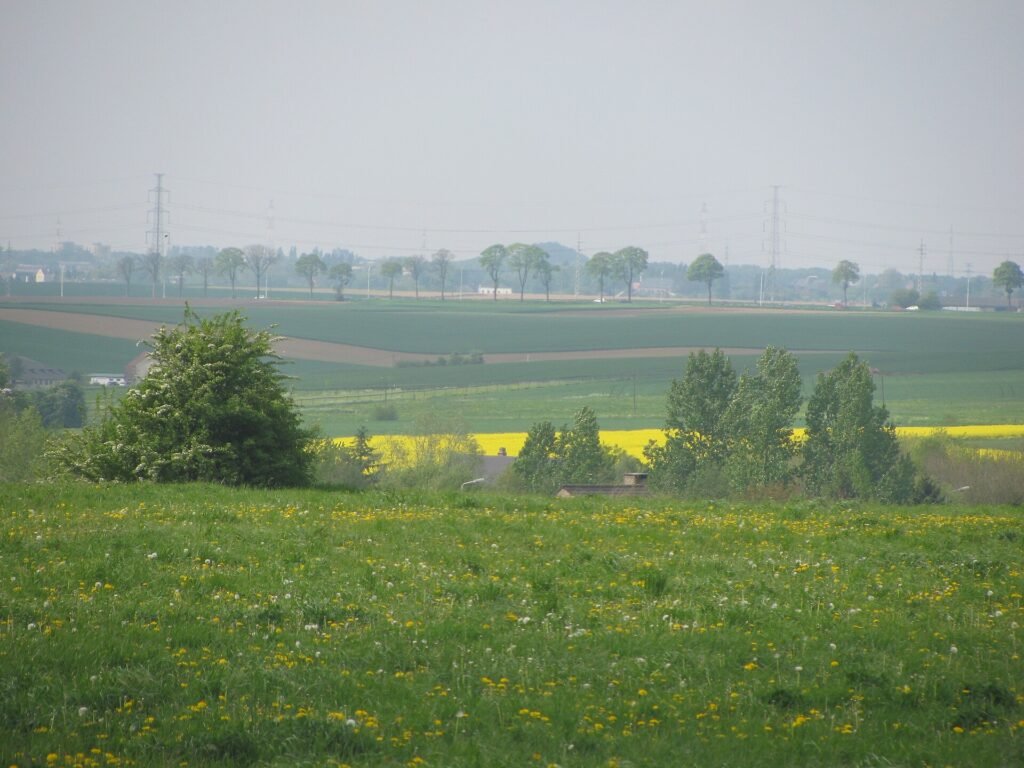
Photo: Alex Remacle / CC BY-SA 3.0, via Wikimedia Commons