
Some defeats feel like victories. Last Thursday, on Centre Court at the European Open in Brussels, David Goffin lost the last singles match of his career to American Alex Michelsen (6-3, 6-4). But the 35-year-old from Liège left the court to a standing ovation, moved to tears and surrounded by his loved ones, after a ceremony held in his honour.
One last week at home
Goffin had announced at the end of March that he would retire at the end of the season, after 17 years on the professional tour. He chose Brussels, the country’s only ATP 250 tournament, for his farewell. Ranked world No. 657, he still treated himself to one last win in the first round, coming from behind against Swiss lucky loser Rémy Bertola. In the second round, 22-year-old Michelsen, world No. 37 and fifth seed, proved too strong. Goffin also played doubles alongside another player from Liège, Raphaël Collignon.
An exceptional career
His record speaks for itself. A former world No. 7, Goffin won six ATP titles and in 2017 reached the final of the season-ending Masters, the tournament that brings together the year’s top eight players. That same year, he carried Belgium to the Davis Cup final. Achievements that make him, for many, the best male tennis player in the country’s history.
Slightly built, with a game based on speed, touch and anticipation, Goffin long held his own against the giants of his generation. His last title came in June 2024, on the Challenger tour in Ilkley, England.
Not goodbye, but see you soon
Addressing the crowd, he said he felt everything had gone by very quickly, and that he could not have dreamed of a better way to finish. He also made clear that he was not saying “see you next year”, but “see you soon”: he does not intend to cut his ties with tennis completely.
The next generation is already here. Zizou Bergs reached the quarter-finals of the tournament, won on Sunday by Dutchman Tallon Griekspoor. But a page is turning. Thank you, David.
Sources : Paris Match Belgique, BX1, Sporza, Paris Match Belgique, Wikipedia
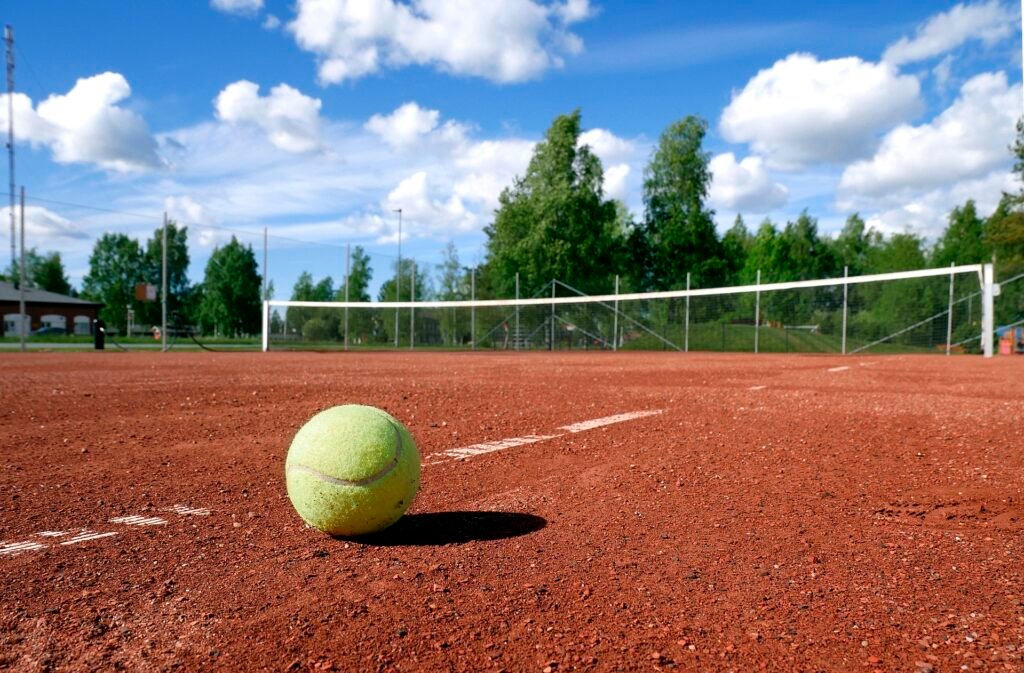
Photo: Santeri Viinamäki / CC BY-SA 4.0, via Wikimedia Commons